Part 6: Acceptance under real conditions
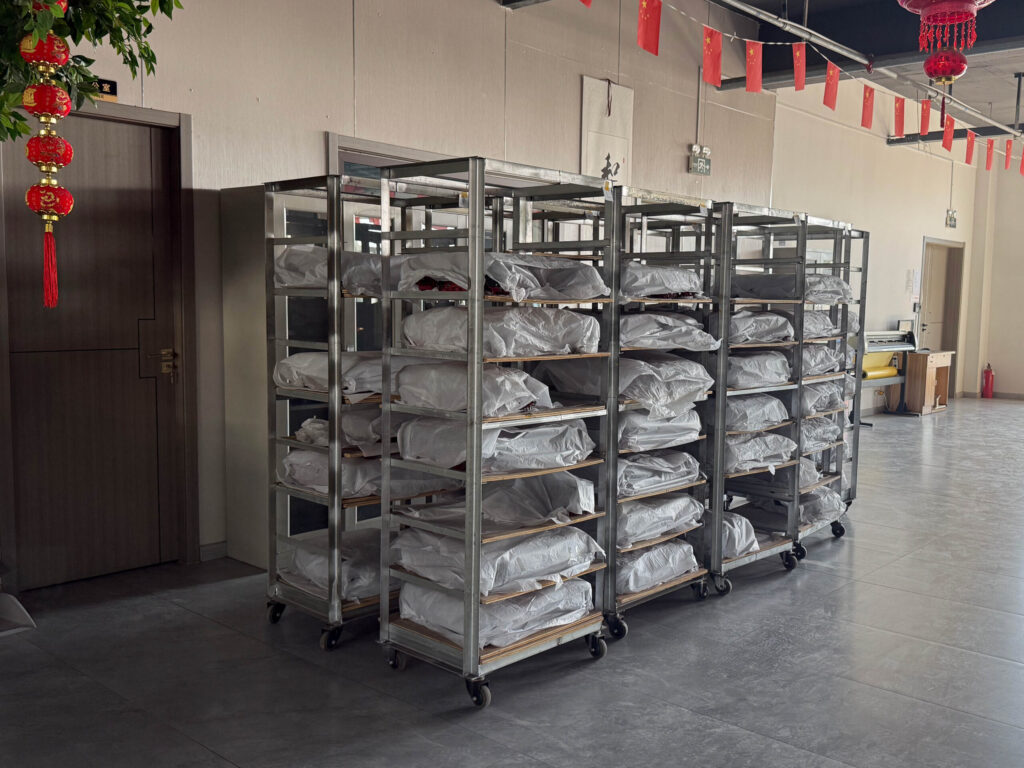
After several days in different companies, it becomes clear that acceptance is not a formal act at the end of production. It is a work process - concentrated, detail-orientated and often more time-consuming than one would expect from the outside.
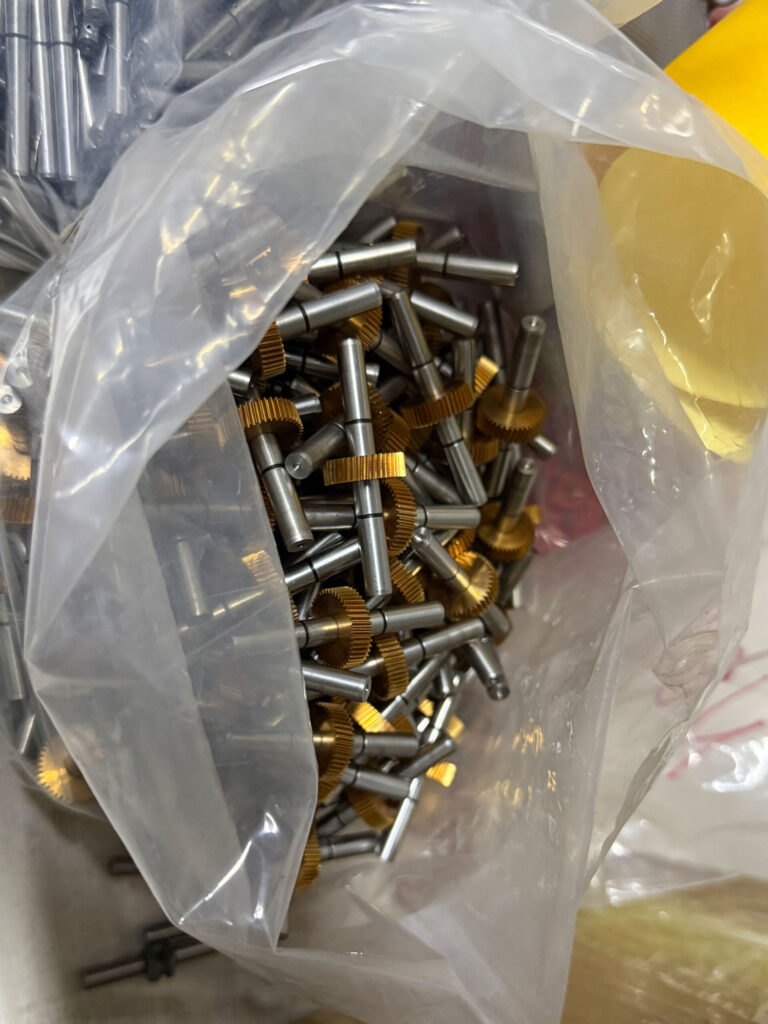
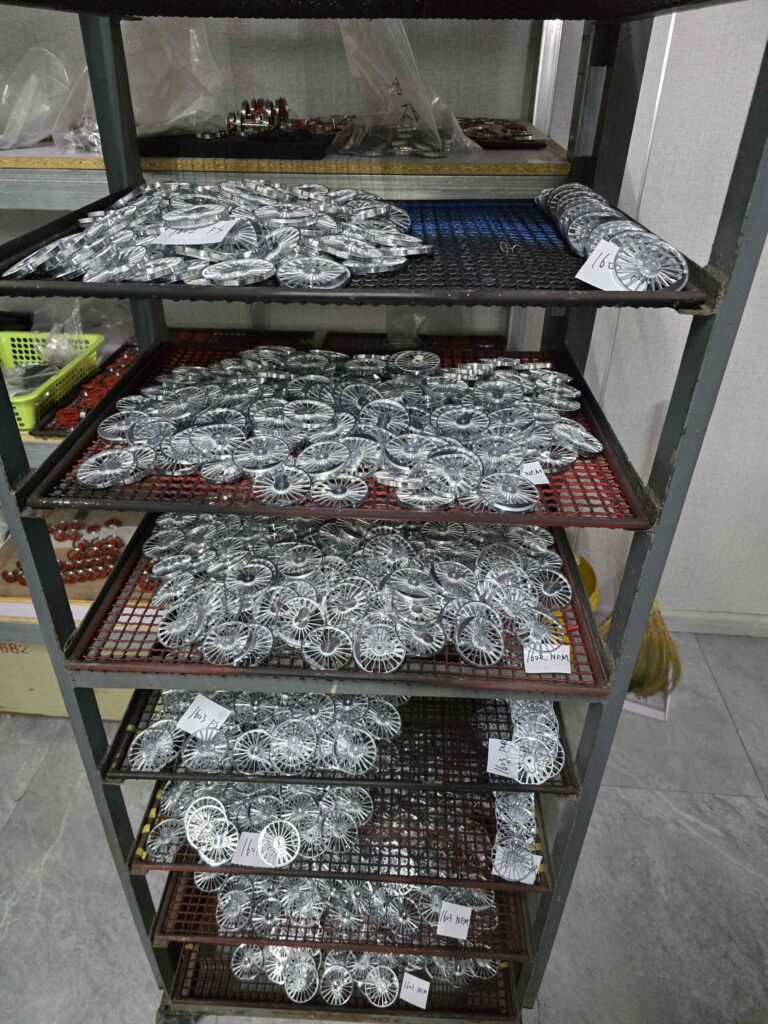
It is not grand gestures that are discussed, but nuances: dimensional accuracy, surfaces, proportions, printing. What is tolerance? What requires reworking? Where does an actual defect begin? Such questions determine schedules, costs and ultimately the quality level of a model.
It becomes clear that series production has different conditions than a perfectly prepared sample. Quality does not come about by itself - it has to be defined, checked and assured.
Language is a factor that is often underestimated. Technical discussions between German-speaking clients and Mandarin-speaking production teams usually take place in English - not always at the same technical level. Terms that appear unambiguous in a drawing need to be conveyed precisely in dialogue. Misunderstandings arise less from a lack of willingness than from different linguistic and intellectual approaches. This is also part of the reality of an acceptance procedure.
And it is less spectacular than one might expect - but much more decisive.
It requires time, precision and the willingness to address even uncomfortable points. Every deviation must be assessed, every decision justified. The real work is in the detail - and that is where quality is decided.
In the printed magazine, I will present this process in more detail - with specific examples, typical discussions and insights into processes that are deliberately only touched on online.
In the next part, we will take an overarching look at what manufacturing in China actually means for the European model railway industry today.