
Part 4: From the blank to the model
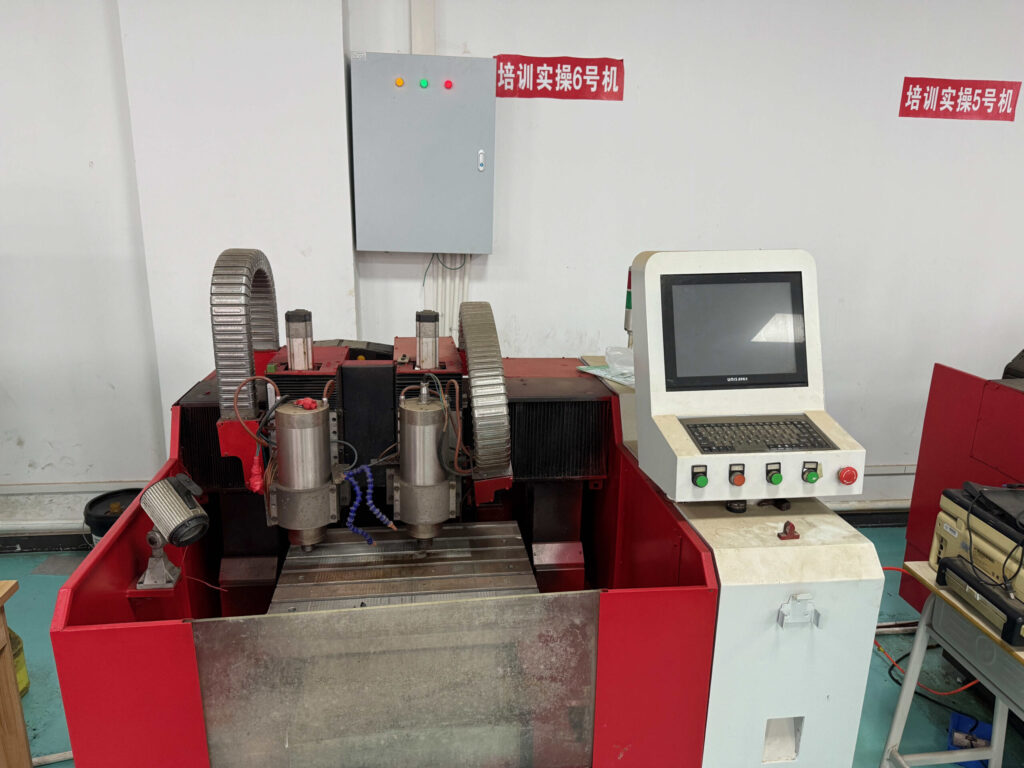
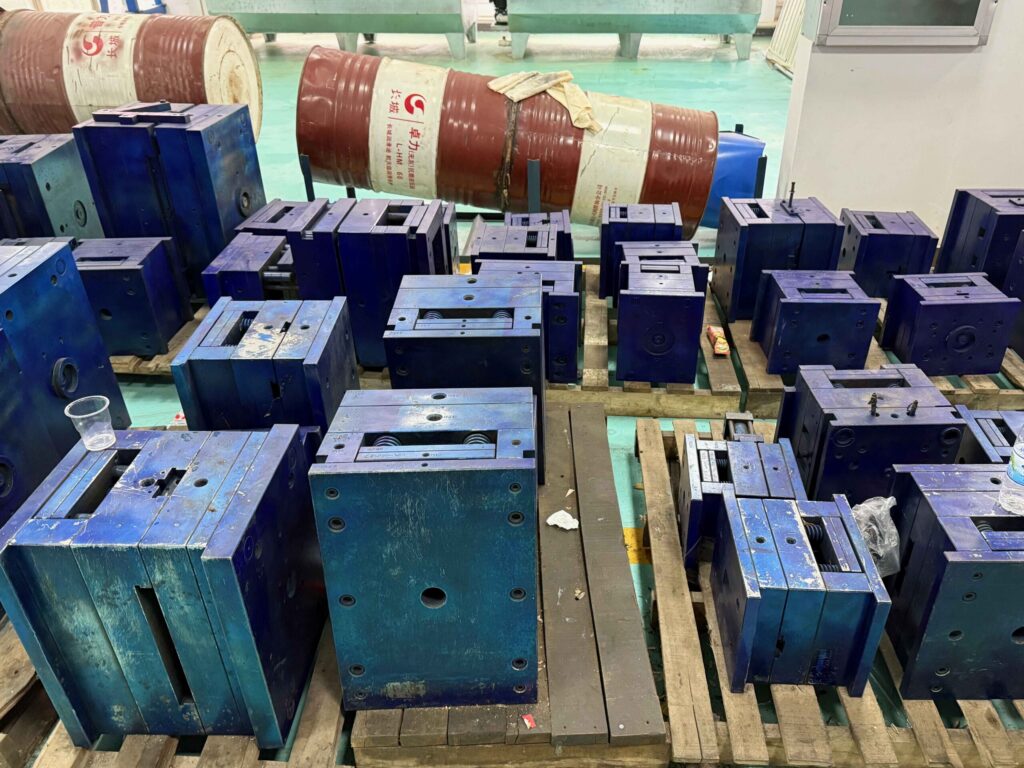
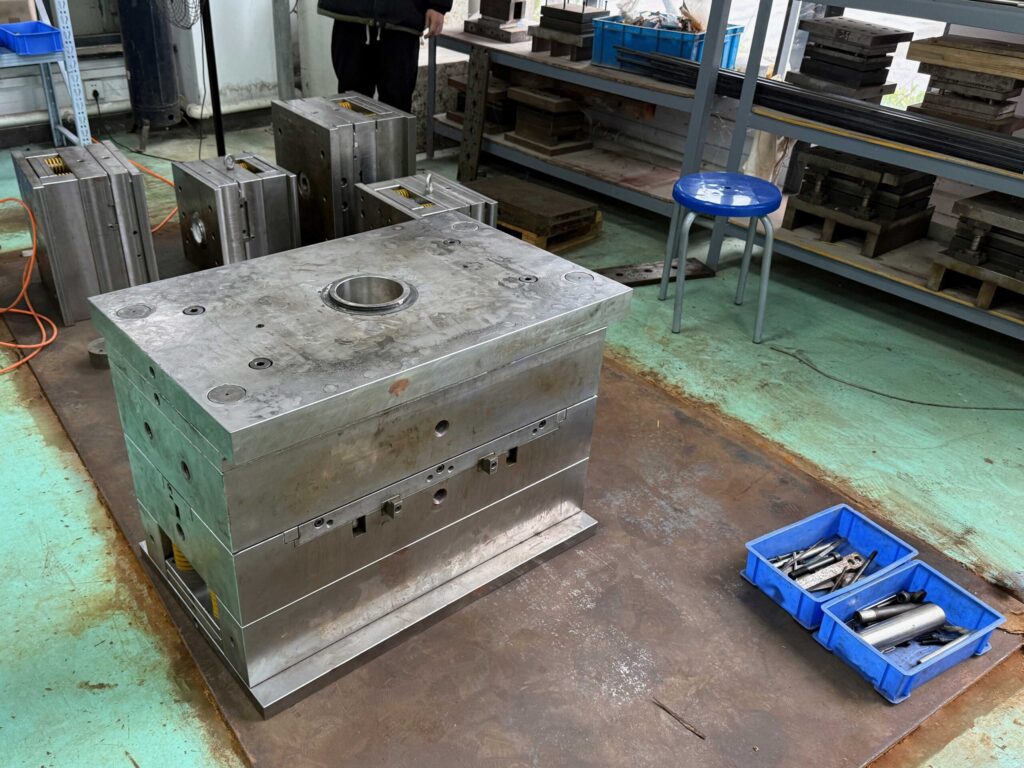
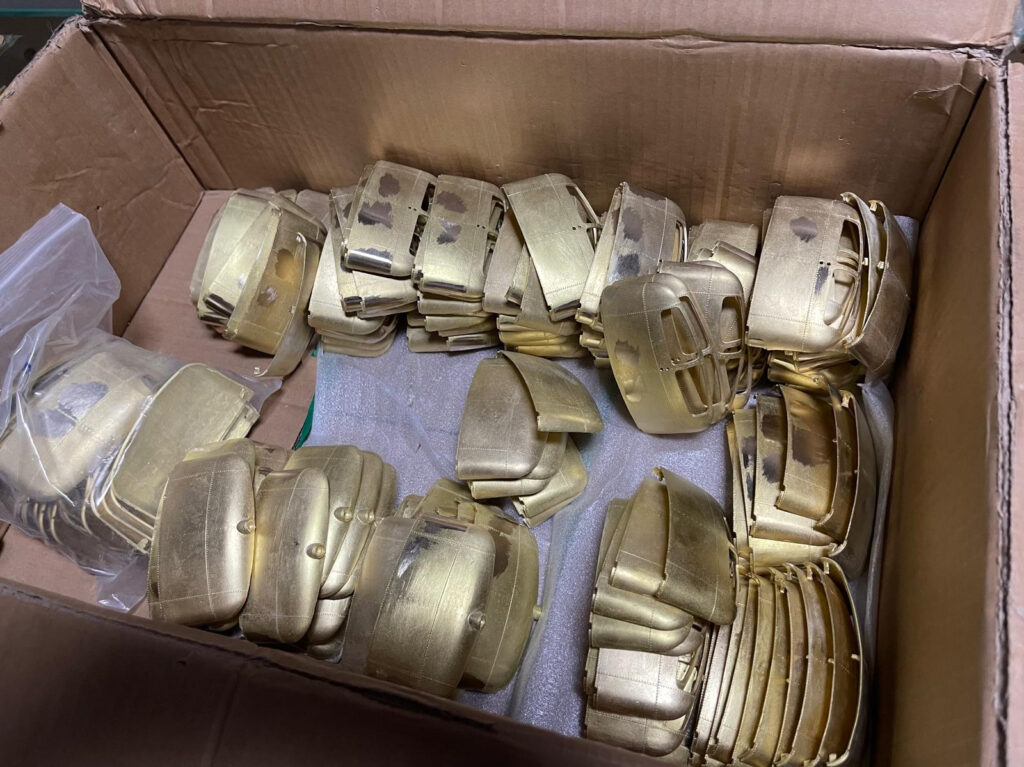
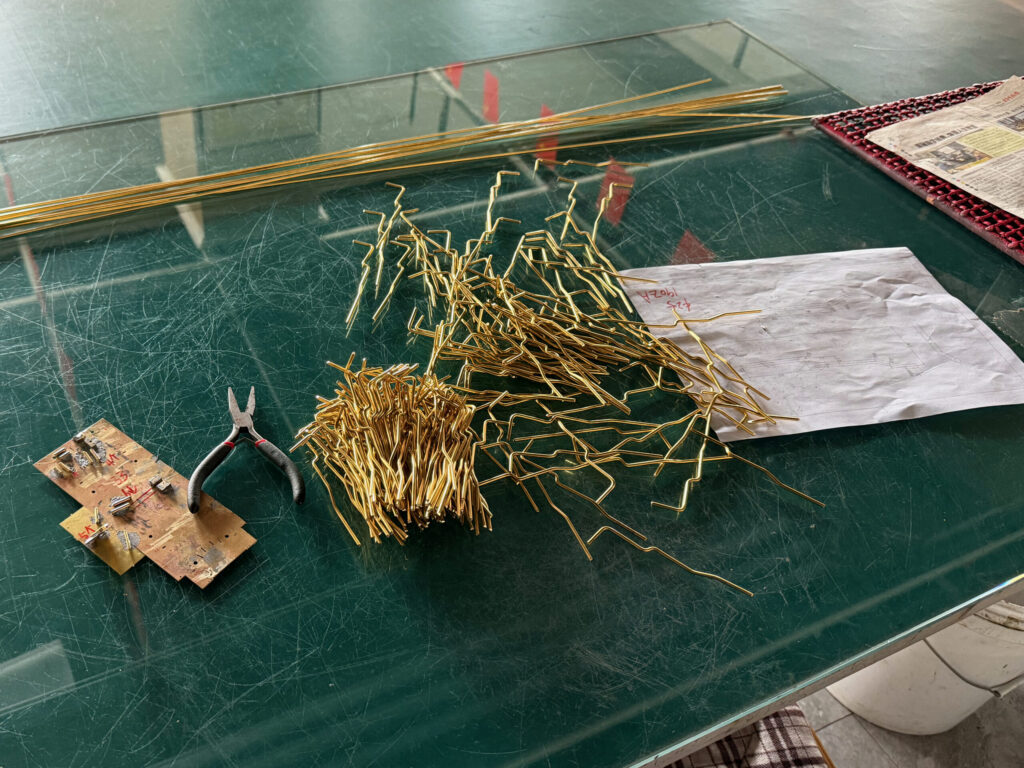
Visits to several manufacturers spread across different provinces form the core of this excursion. I am less interested in the end product in the display case than in the journey to get there:
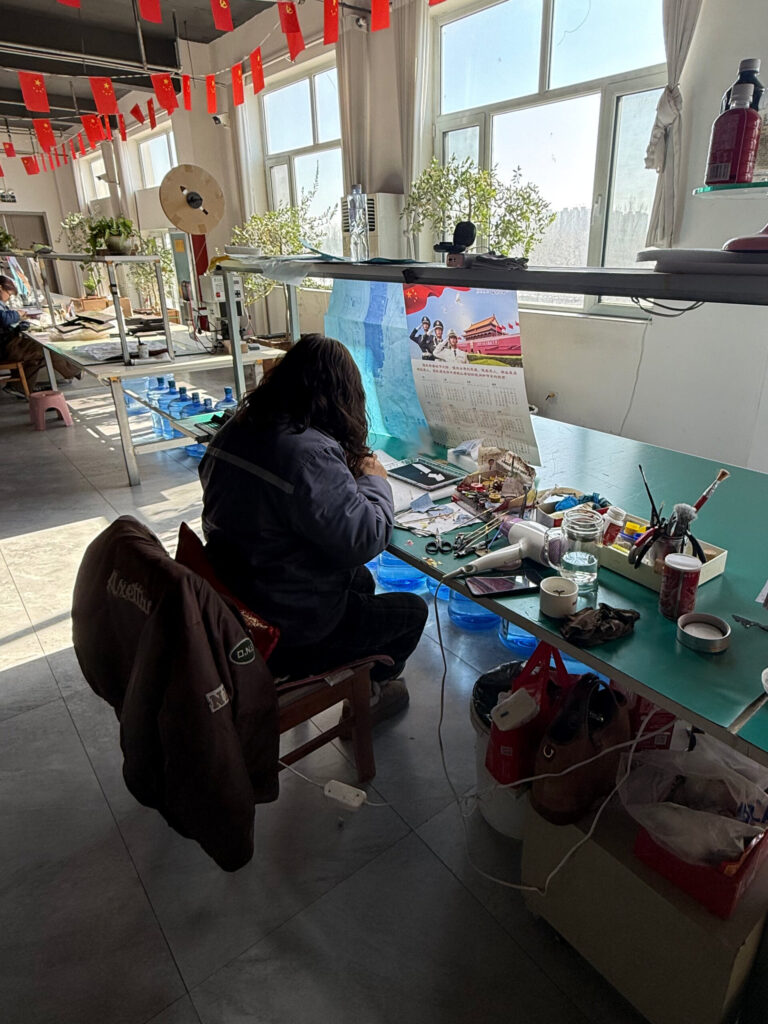
How are the workstations organised? The process begins with design and construction. CAD is used to create 3D models from supplied documents, such as technical drawings and research materials for the vehicles, which are in no way inferior to the original vehicles. These drawings and master models are then passed on to the workers and suppliers who manufacture the individual parts.
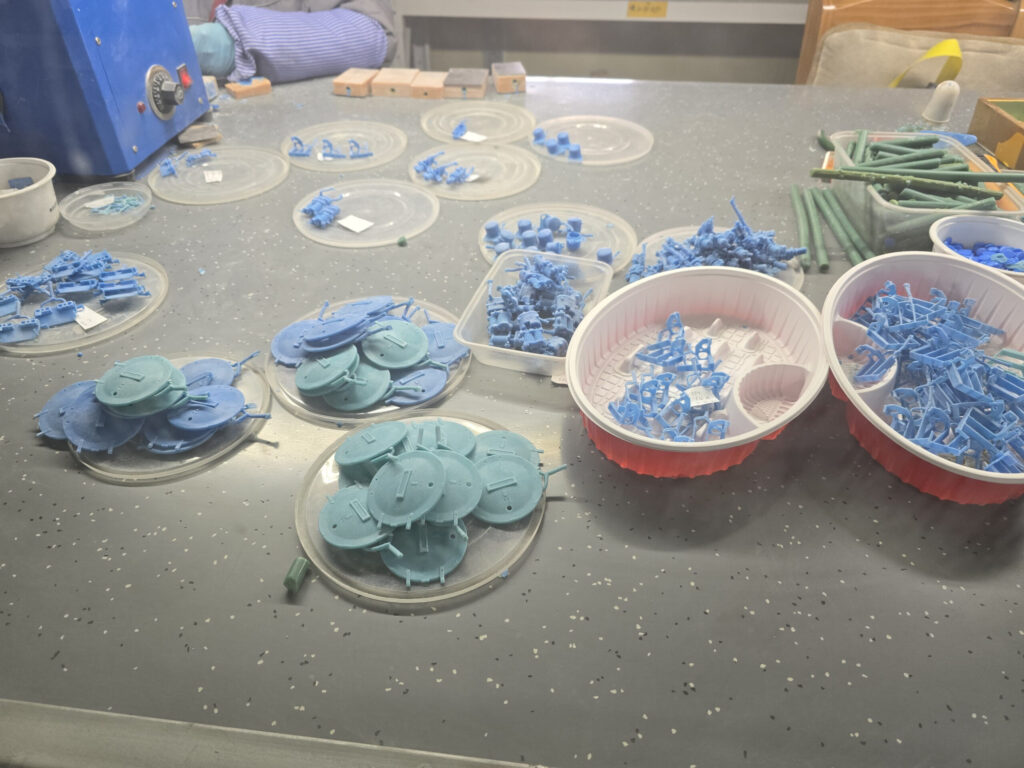
The employees' jobs are structured according to different tasks so that they can develop and specialise their skills. For example, one employee is solely responsible for applying decals, including warning paints, labelling and more. Another employee concentrates on making wax casts from the prefabricated moulds and creating casting trees.
Which work steps are particularly critical? The production of some parts by hand and the soldering of the many individual parts. There are only a few tolerances that a model can tolerate. For example, the braking system on the wheelsets. This must not fall below a minimum distance from the wheelset. If this does happen, the wheelset will repeatedly rub against the reproduced grey cast iron brake blocks, especially in tight radii. This removes the paint and primer and sooner or later leads to a short circuit which, in the worst case, destroys the decoder.
Where do typical errors occur - and why? A lack of knowledge on the part of the designers and workers about the model vehicles, but also about the railway system in general, can lead to corresponding errors. If, for example, a manufacturer of plastic models only produces these vehicles in small quantities, but otherwise tends to produce household items in large quantities where small tolerances are not important, special attention must be paid to the hand samples produced. Otherwise, attachments such as manoeuvring steps or other parts will be produced that do not fit the model or are incorrectly designed.
How are deviations dealt with? If they are recognised in good time and preferably during the production process, the findings can be implemented directly and errors can be rectified or avoided. If faults are recognised too late and the model has already been manufactured, the effort required to rectify them becomes ever greater and more expensive, depending on the defect. During my stay, I was able to experience that even minor faults were instructed to be rectified during final acceptance.
It is particularly important for readers of a trade magazine to understand where quality is created - and where it can be lost.
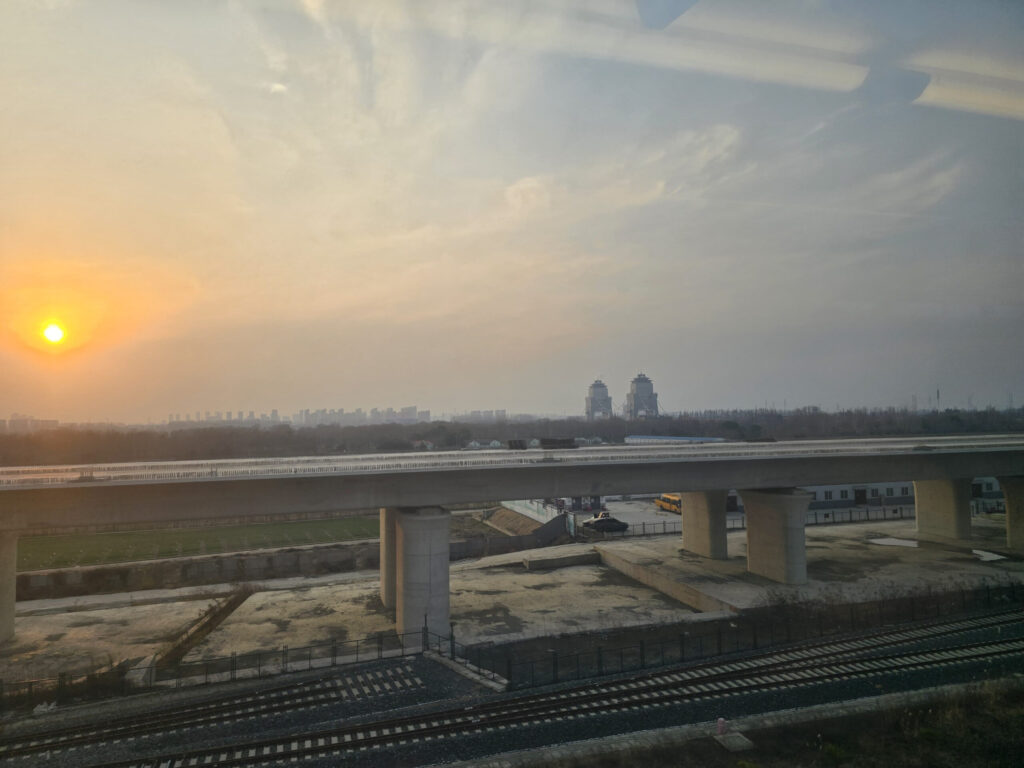
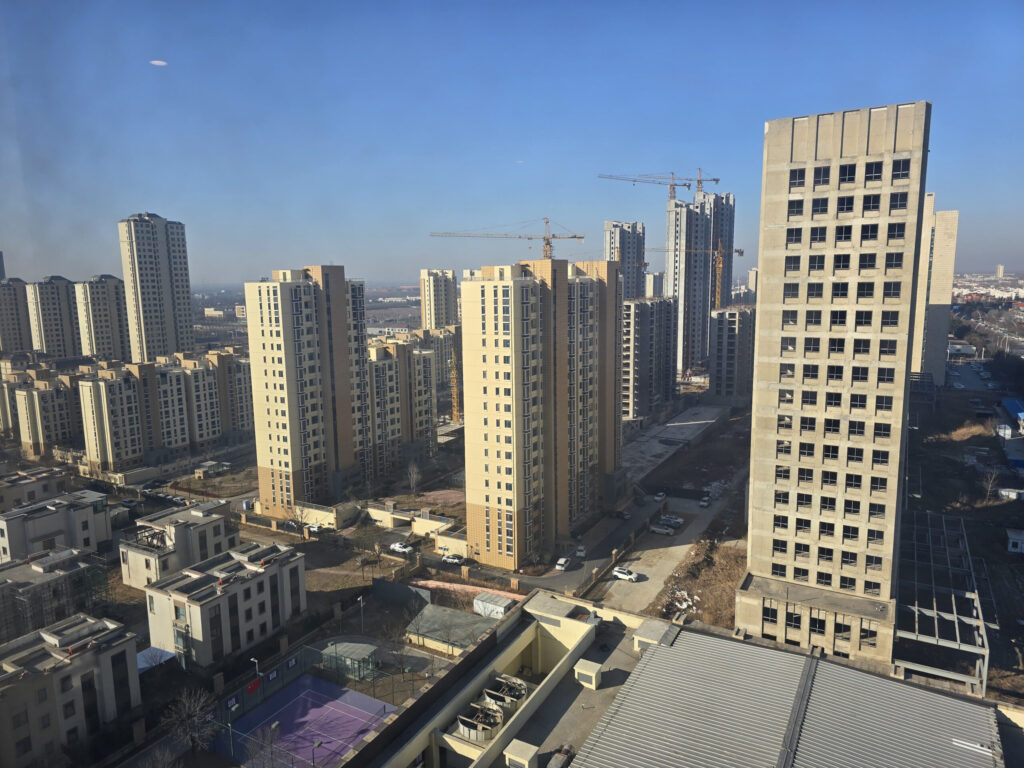
As before, I'm sending you a few more impressions of the trip. Enjoy looking at the pictures.