
Part 3: Between the factory gate and everyday life
When talking about production, you can't just talk about machines. Models don't create themselves - they are built by people. People with routines, habits, expectations and constraints.
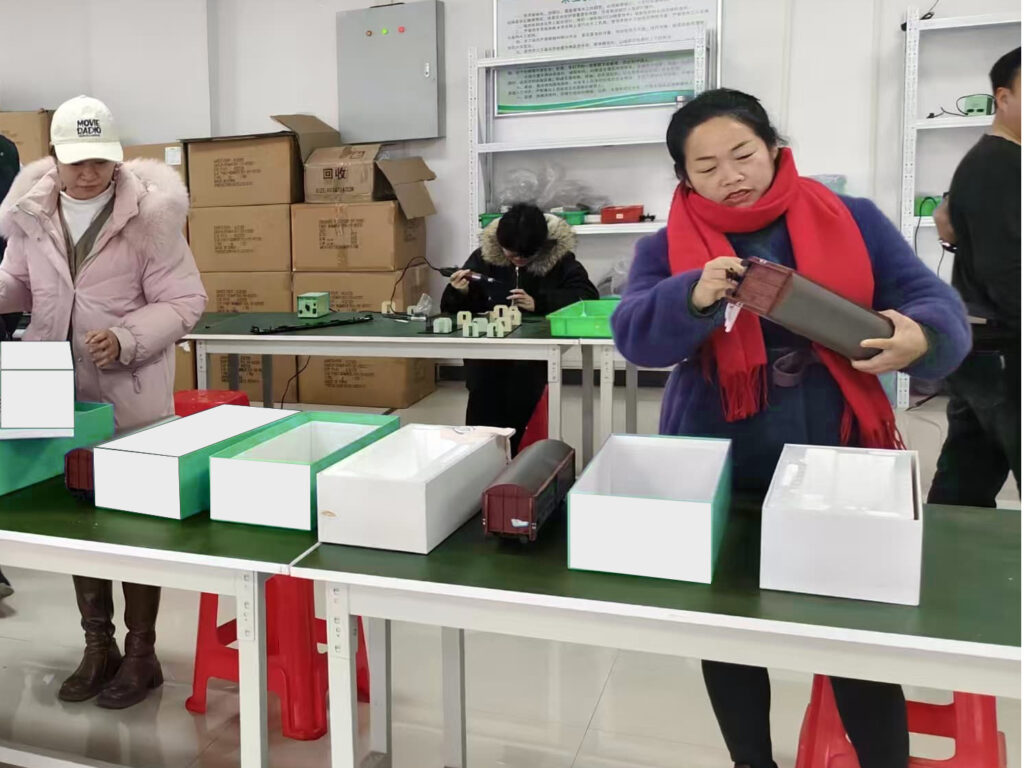
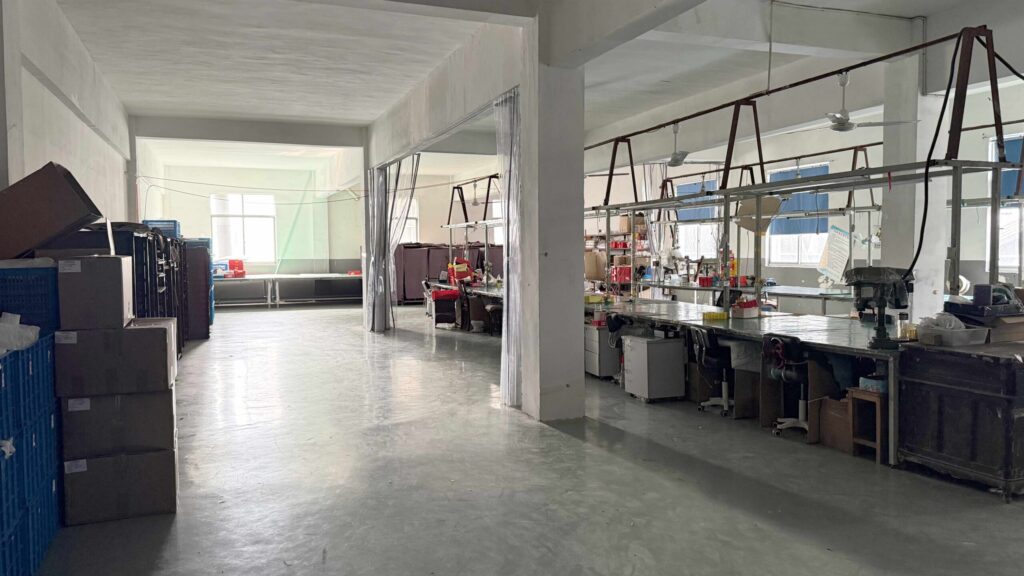
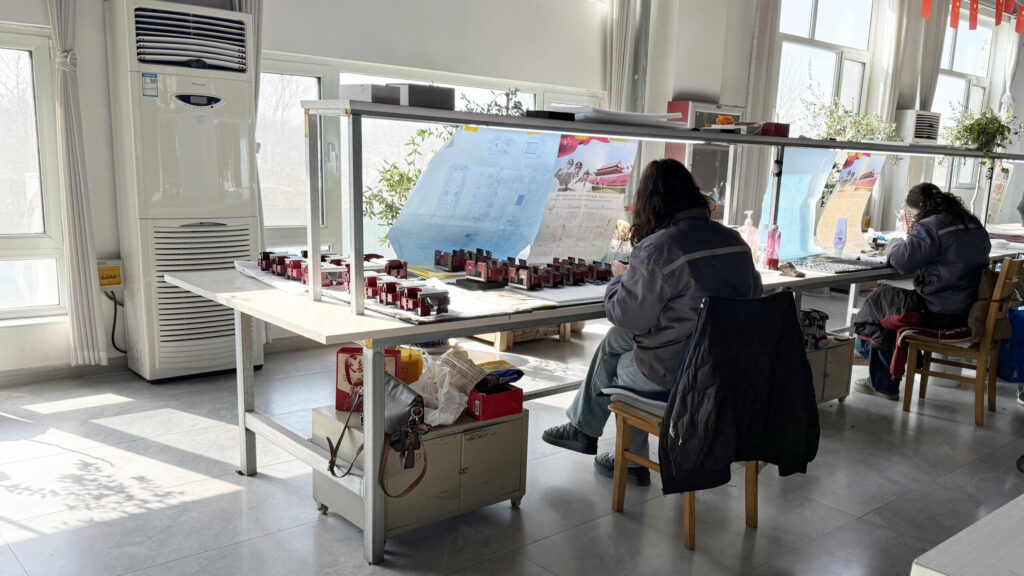
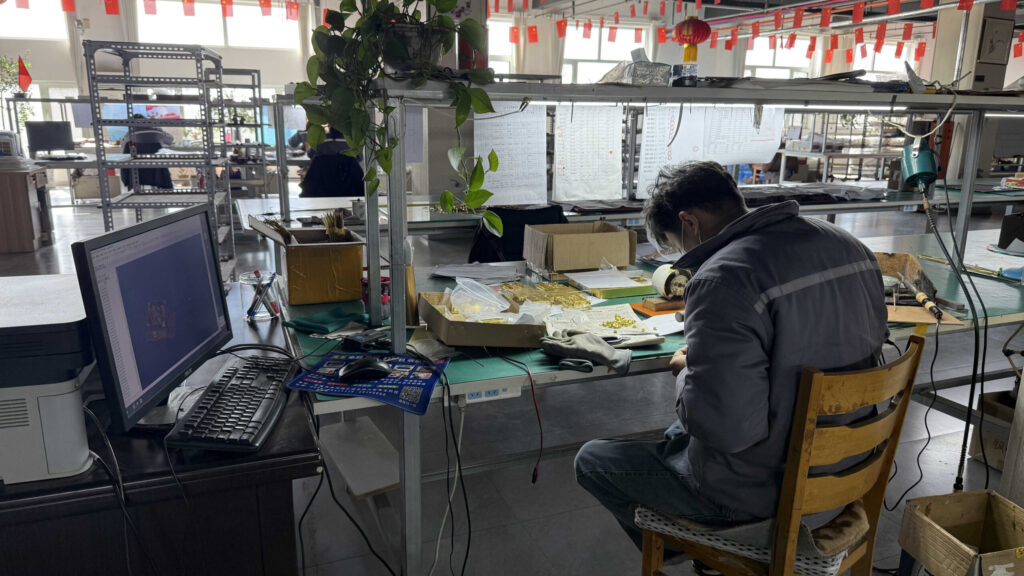
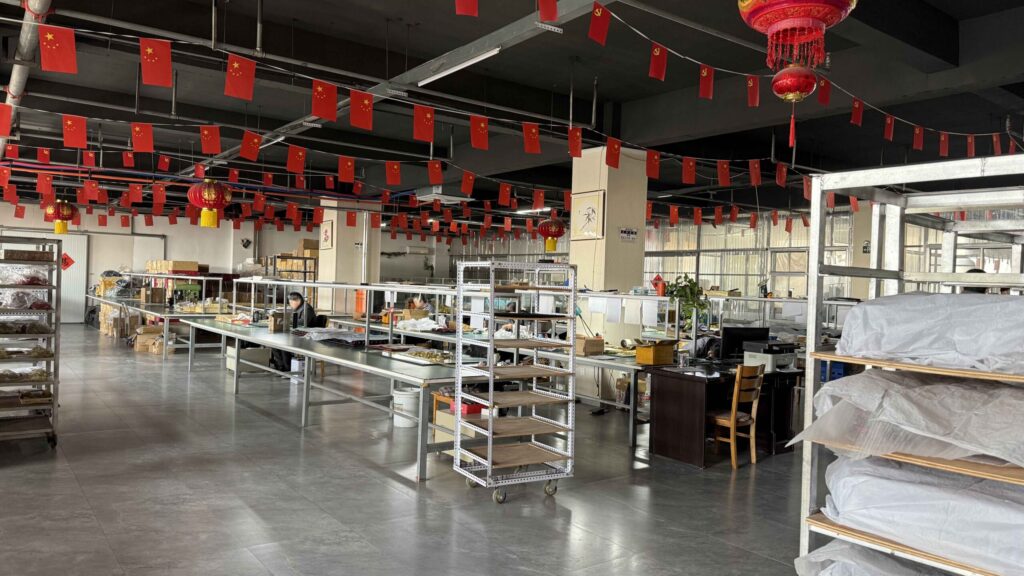
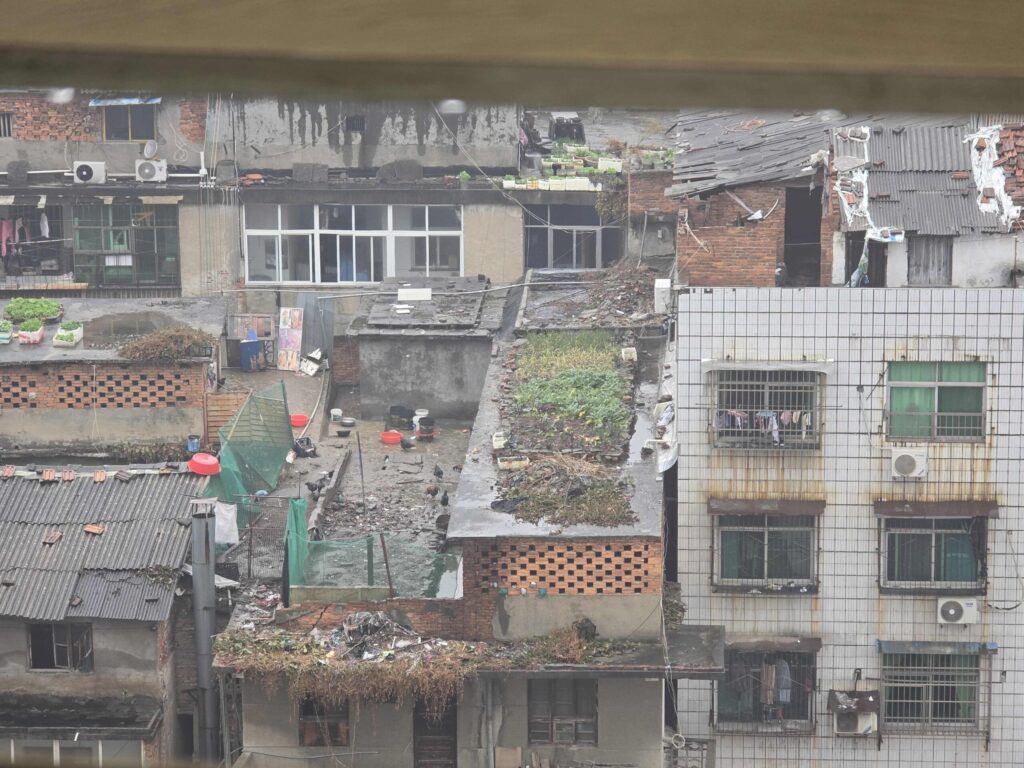
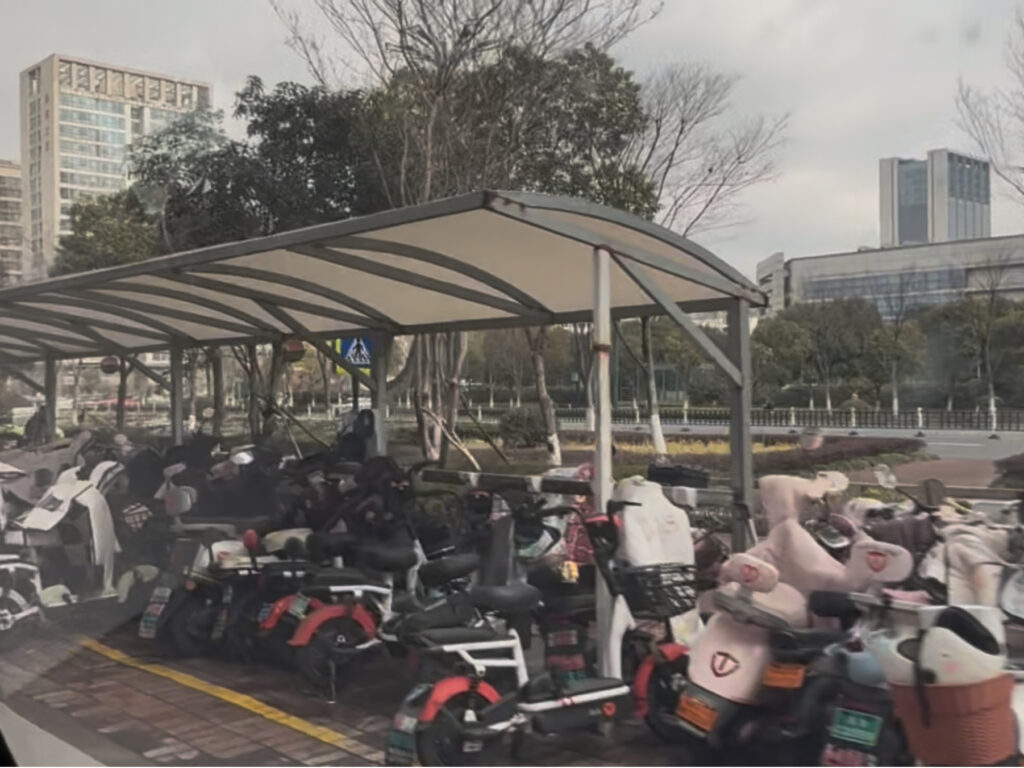
Due to the upcoming Chinese New Year celebrations, only a few workers were in the factories, and some were even called in for the European visit. During and away from the factory visits, I consciously took time to observe everyday life:
Many of the employees deployed are purchased from employment agencies on a project-related basis. They gain experience with each model, which leads to a continuous improvement in work speed and accuracy. Others, such as the engineers, designers and even foremen, are permanently employed. Manufacturers endeavour to ensure seamless production from one model to the next. Without orders, the companies cannot afford to keep their staff on and, unlike in our climes, lay them off from one day to the next. This leads to the loss of experienced employees. As wages are generally low, people are forced to find a new job as quickly as possible in order to secure their livelihood.
The working day begins early in the morning with a short line-up of staff before work starts, followed by a briefing on the tasks to be performed. A quiet atmosphere prevails in the factory halls during working hours. During the breaks, the workers take time for a short meal, followed by socialising, chatting and laughing, either inside or outside the workshops.
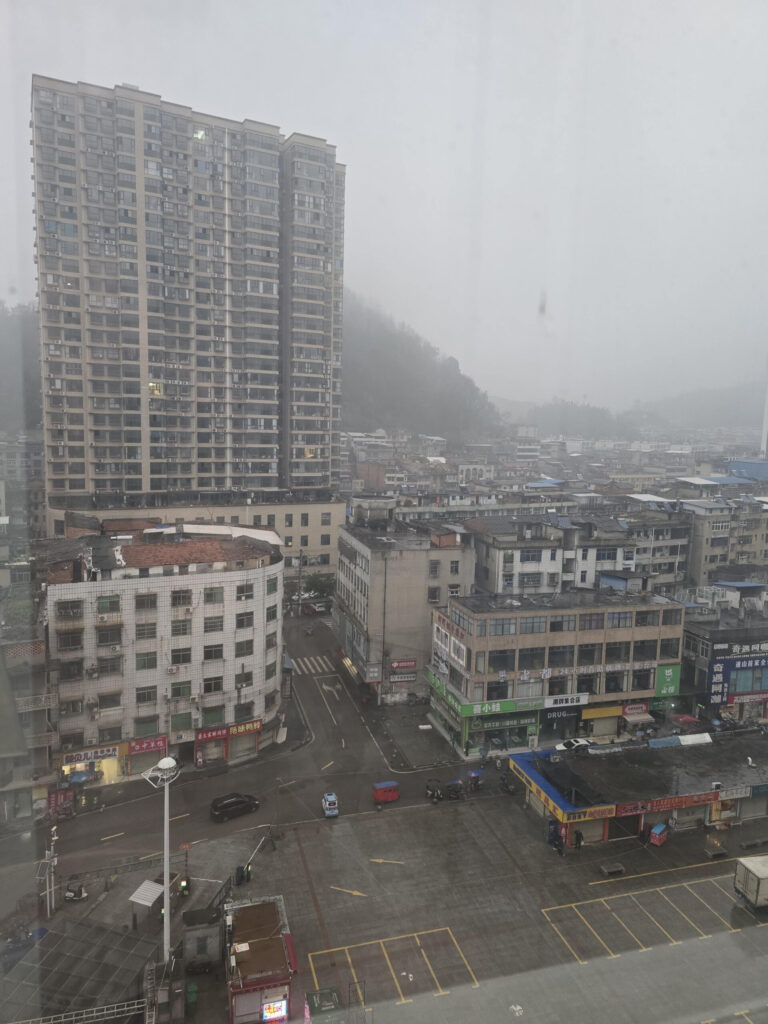
All in all, I have found that, despite strict hierarchies, interaction in companies is respectful. However, the situation is often different outside the factory halls. In road traffic, everyone likes to be first, and despite clear rules, the many small motorised and electric scooters like to come towards you in the opposite direction in your own lane - often at night without lights.
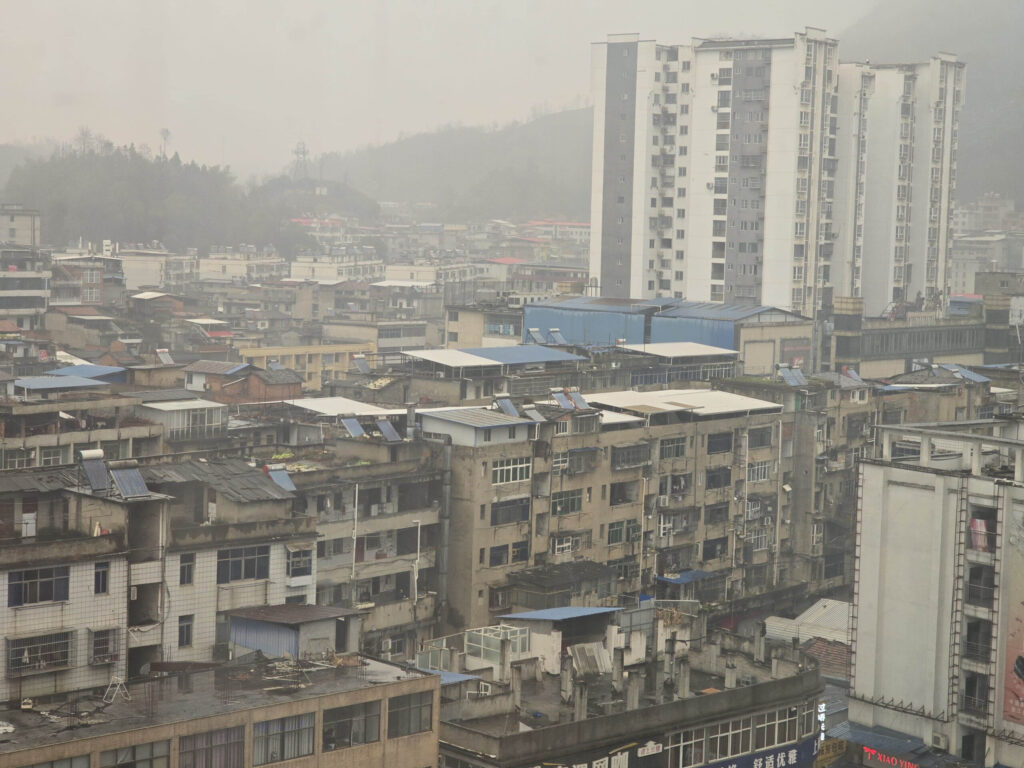
There are many differences between the provinces. These can be seen in the everyday street scene, the condition of the roads, the buildings and the liveliness of the cities. The cities around Wuhan, in Hubei province, all appeared grey and colourless, while others such as Jiangtsu or Qingdao were lively, bustling and colourful.
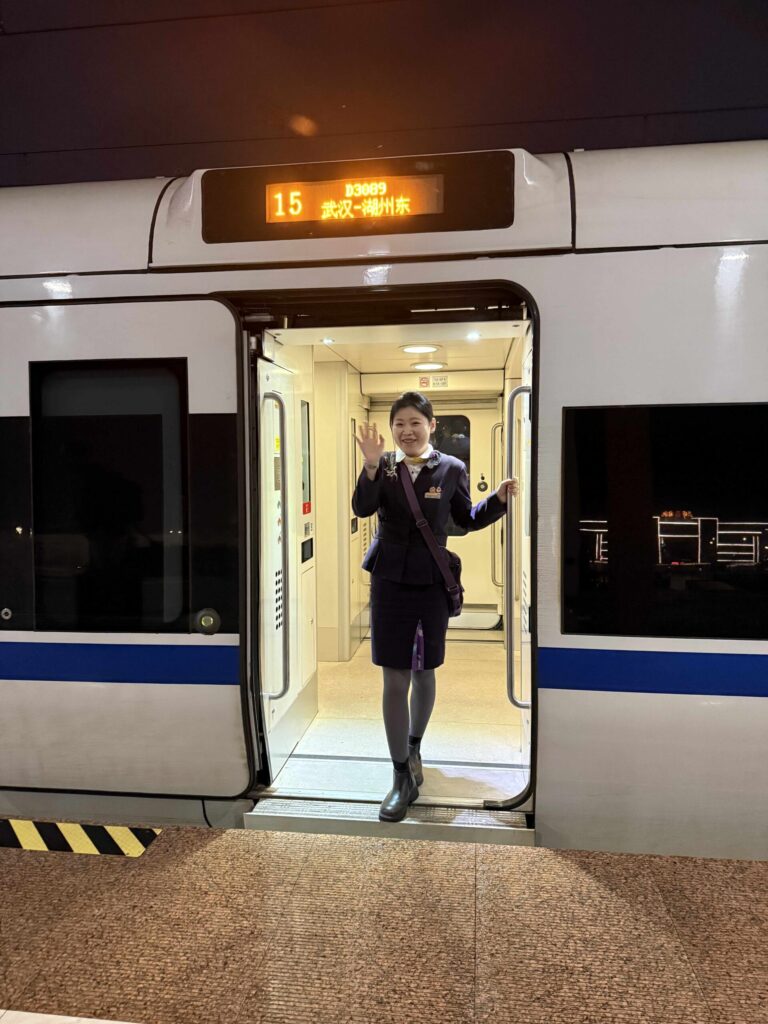
Even if people in China earn less by European standards, there are still many who put their heart and soul into their work and show their willingness to help with a smile on their lips. Like the China Railways train attendant in one of the photos.
Many things are not immediately obvious. Some only on second glance. And some things remain unfamiliar - which is not negative, but helps to avoid making hasty judgements.
As I will soon be travelling to a region where the VPN connection will be more stable, the next post will be published earlier. There I will explain the development of the models.
Now some more impressions. Enjoy looking at the pictures!